Why Plotting Doesn’t Stop Discovery Writing

Common terms in the author world are plotter and pantser—describing someone who plots before writing, and someone who writes by the seat of their pants. When people talk about plotting vs discovery writing, I’m definitely seen as the former.
But I don’t just plot my stories. I plot everything I do, including weekend chores and going to the grocery store. It’s just the way I’m wired. I like knowing where I’m going, what order I’m doing things in, and what needs to happen next. I feel better once things are mapped out, even if the plan changes later.
And when I say I plot my stories, I don’t mean a few sentences scribbled down as a rough outline. I start with the characters first—what they want, what they fear, what’s getting in their way, and what they’re going to have to face before the story is over. Then I work through the story structure. After that, I go scene by scene, so I know what the goal is, where the conflict is, and what each part needs to do.
Plotting also lets me do something I really love, which is plant story pieces and foreshadowing early that I might not need until much later. It doesn’t matter if they’re not needed until the next book, or two books later, or even ten books later. I can seed a character, a tension point, or a small detail that might not look important yet but will matter later. It makes the books feel more connected to me. It gives me the sense that I’m building something and not just writing one story at a time and hoping the pieces fit together later.
That probably sounds like the opposite of discovery writing, but for me, it really isn’t.
All that plotting doesn’t mean I have the entire story perfectly figured out before I start writing, because I don’t. It also doesn’t mean I don’t get to let my imagination run once I’m in the draft, because I do. I still discover things once I have words on the page. Sometimes that’s where I can finally see where the emotion is, or where it’s missing. It can be where I realize a moment needs more room than I gave it in the outline. Or it can be where a character shows me something I didn’t fully understand about them until I got there.
That’s one of the things I love most about writing.
I can plan and plan and plan, and then the actual draft still surprises me. Not because the outline failed, but because the outline and the draft do different jobs. The outline helps me build the structure. The draft helps me feel the story. And I need both to see the full story.
If you talk to a hundred writers, you’ll get a hundred ways to do something, maybe even a hundred and twenty. Writing is creative, and all our brains work differently, so I think a lot of it comes down to figuring out what works for you and trusting that process.
For me, plotting gives me a strong starting place. It gives me direction. It gives me the bigger shape of the story and lets me seed things ahead, which I love, especially when I’m thinking about future books. But once I start writing, that’s when the story starts breathing a little differently. That’s when things become more real. That’s when I can see what is clicking, what feels thin, what is more emotional than I expected, and what needs to shift.
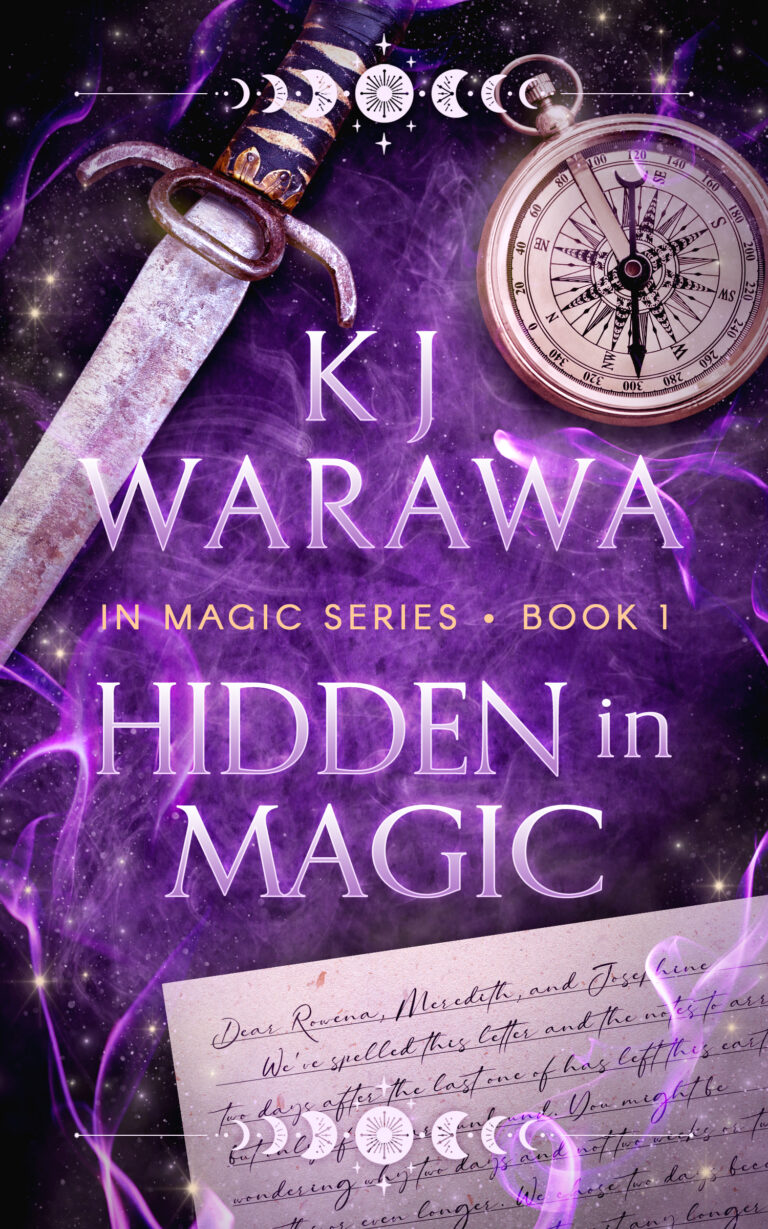
That is where Deadly Mark is for me right now.
While I’m writing Cursed to Suffer, part of my brain is also brewing over the first quarter of Deadly Mark that I’ve already written. There’s something not quite right with the story yet, but I can see it more clearly now than I could when it was only in outline form, even though that outline was detailed. Some scenes might need to move, and some moments need more space. And some of it is simpler than that… there’s some chaff in there that I can see now because the story is no longer only living in my head.
That, to me, is still discovery.
It’s not the kind that looks like throwing away the outline and wandering into the book without a map. It’s the kind that happens because I already built the map, and now I can see more clearly what the actual road looks like once I’m on it.
Sometimes I discover things before I start writing. Other times my discovery happens in the middle of writing a scene. And often, I discover things after I’ve stepped away from the page to let the story sit for a while. I think that last kind of discovery matters just as much.
There are times my brain needs time to percolate on something.
That’s one of the reasons I don’t mind working on more than one story at once. While I’m actively writing one book, another part of my brain can quietly stew on something else in the background. I’m not always consciously working on it. I’m not sitting there trying to force an answer. But somewhere behind the scenes, the story is still turning over in my mind.
And then, usually when I’m not trying so hard, something becomes clearer. A character motivation clicks into place. A scene shows me it belongs earlier or later. A story thread that felt a little flat starts to show some life. Or I suddenly understand what the book was trying to do all along, but I needed time to catch up to it.
That’s a very real part of my process.
So even when it looks like I’m only working on one book, that usually isn’t true. There’s often another one sitting in the background, taking up space in my mind, quietly turning over while I write something else. I’ve learned to trust that more over time, because it’s often where some of the best discoveries happen.
That’s probably the biggest thing I’ve learned about my own process. Plotting and discovery are not opposites for me. They work together.
Plotting gives me structure, direction, and a place to start. It lets me build the bigger shape of a story and seed things that may not matter until much later, and that I may have missed if I’d been stuck in the middle of the story. Discovery is what happens once I’m inside the story, when the draft starts showing me what I couldn’t fully see in the outline. And sometimes that discovery comes while I’m writing, and sometimes it comes while I’m letting the story sit and percolate in the background.
I think that’s why I push back a little on the idea that plotters can’t also be discovery writers. It isn’t one or the other. You can be a plotter and still discover your story as you go. You can build the structure first and still stay open to what the draft reveals once the characters are moving through it.
And honestly, I think that’s exactly why plotting works so well for me. It doesn’t box me in. It gives me something to build from.